 | Children Have Hope |
 | A Generation Transformed |
 | A Country Thriving |
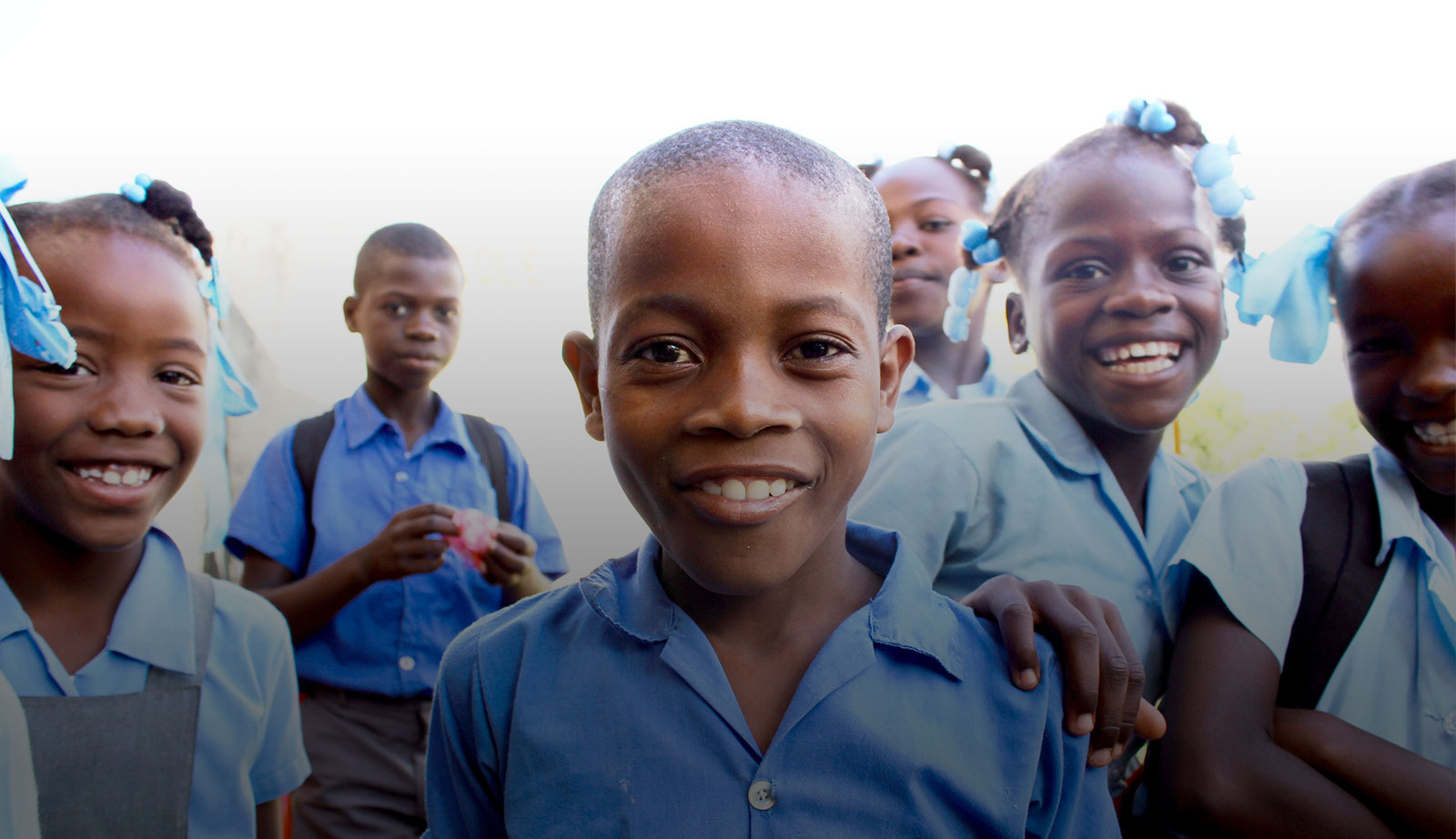
Right now there are children in Haiti stuck in a generational system of slavery.
These children are called “restavek” and are hopeless and alone—invisible.
“You are not hopeless.
You are not alone.
I see you.”
– Frantso, Child Advocate
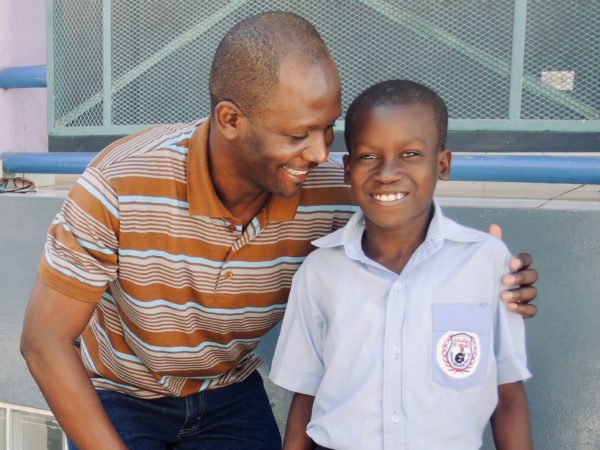
“Thank you, thank you because you have changed my life and given me hope. I am alive today because you found me.”
-Myou*, in our Child Advocacy Program

Our Impact

100% of your donation goes directly to programs to end child slavery.
The Plan
Why Restavek Freedom?
We want every donor to:
See the impact of your gift.
Feel connected to our family.
Know you are helping without hurting.
Be a part of solving a systemic problem by addressing the root issue.
Understand you are changing lives.
Know your donation is put into action.
See how we greatly appreciate you.
Have confidence your donation is invested well.
Featured On:







 Common Dreams
CNN documentary with artist Common
 A Path Appears
Film with NY Times journalist Nick Kristof
BE A CHILD’S FREEDOM SPONSOR
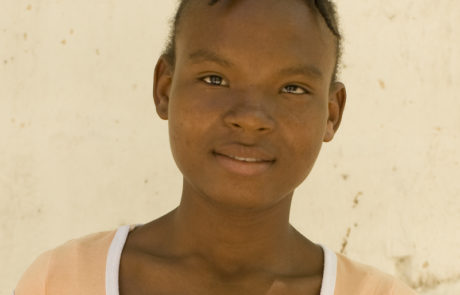
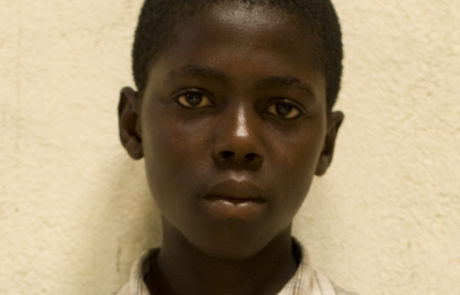
You can give freedom and hope to a child trapped in slavery. For $40/month or $480/year, you’ll bring FREEDOM from isolation, illiteracy, and despair.
Join With Us
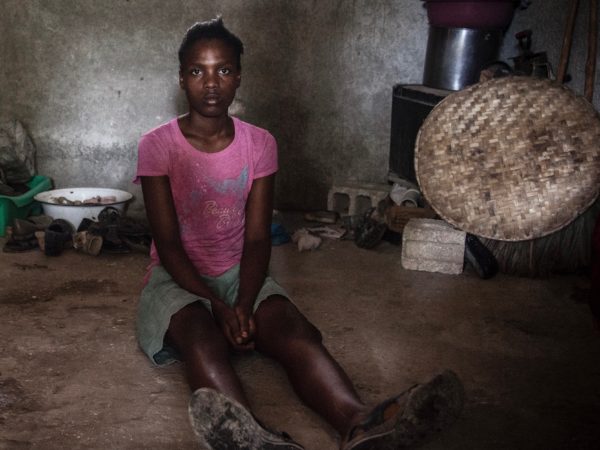
Don't leave a child stuck in slavery. Don't leave a child hopeless and alone.
Together we are working hard so every child
You can make an impact and help end child slavery in Haiti.
Featured Stories
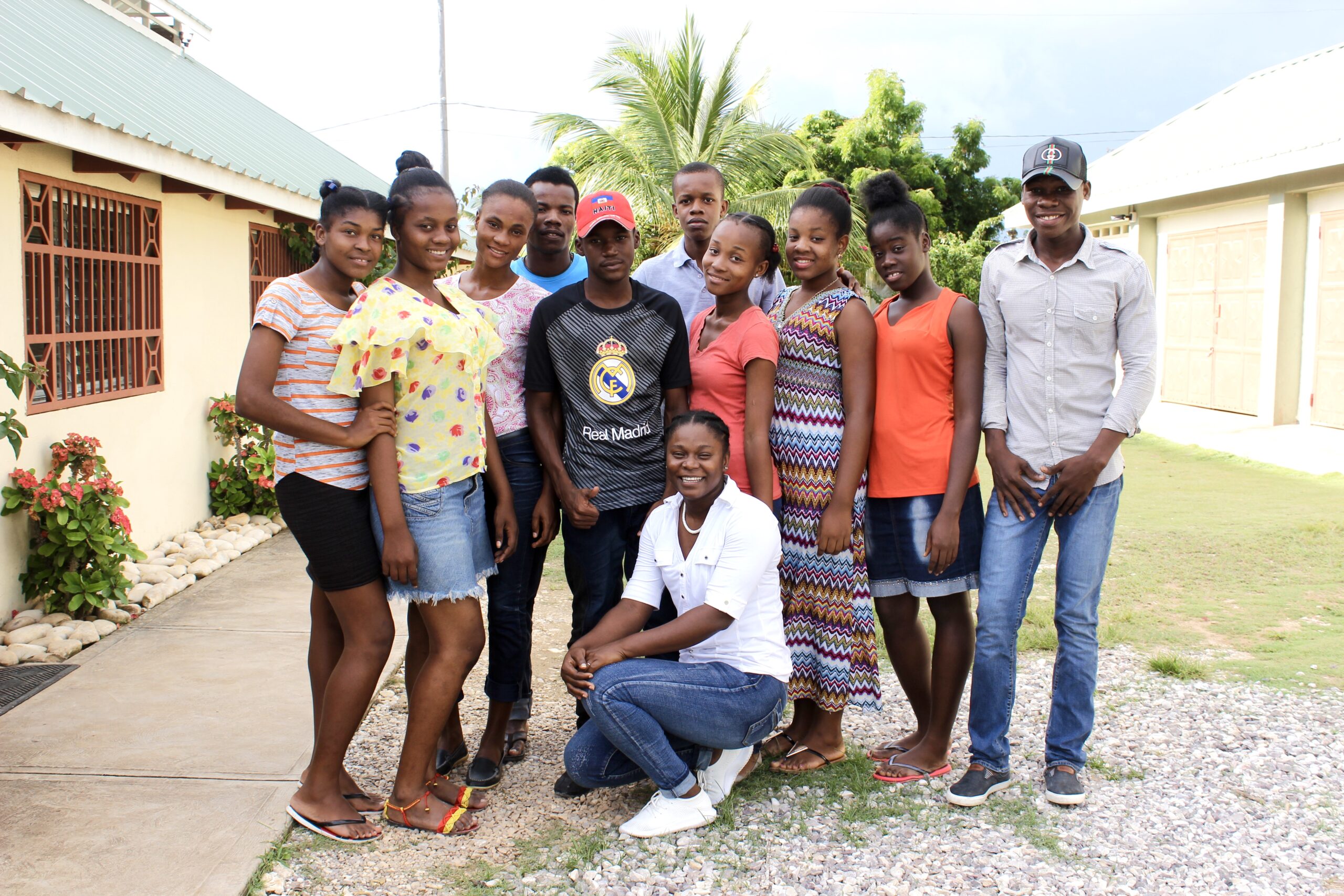
Transforming Lives Through Teaching
STAFF PROFILE: Meet Nadine Nadine began working with Restavek Freedom five years ago, but she became a friend of Restavek [...]
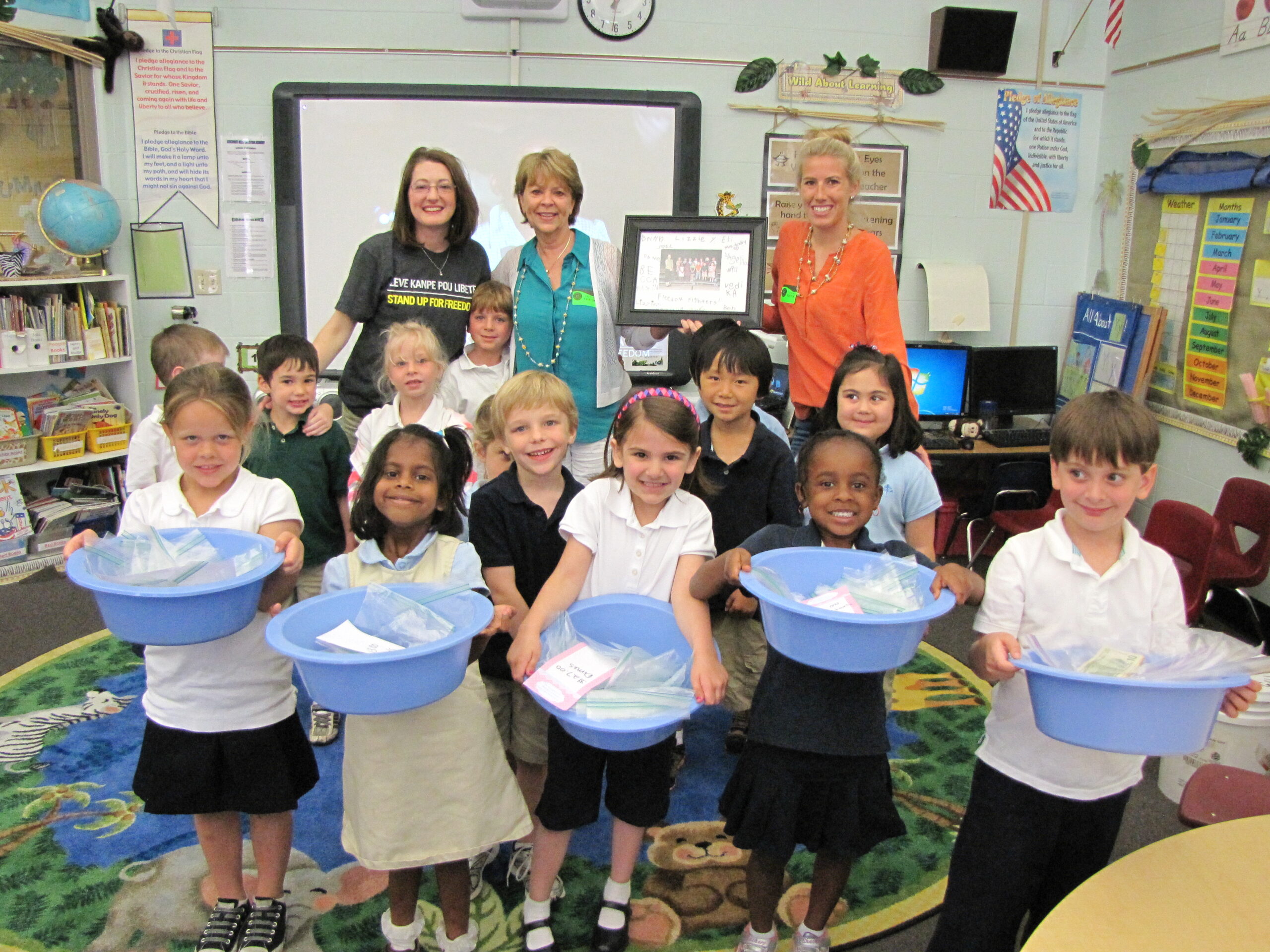
Spare Change for World Change
When six-year-old Andrew Conn entered Cathy Andry’s kindergarten class at Cincinnati Hills Christian Academy in 2013, she never dreamed that [...]